Imagine a routine SEC filing process disrupted overnight by sweeping regulatory changes. With the introduction of EDGAR Next, the landscape of electronic compliance has undergone a fundamental shift, one that extends beyond technology into the realms of accountability, cybersecurity, and operational oversight. The SEC’s latest overhaul introduces significant procedural changes, including the adoption of Login.gov credentials, mandatory designation of Account Administrators, and strict compliance enforcement measures. These changes require organizations to reevaluate how filings are managed, who holds access, and what processes must be restructured. For entities operating under tight reporting timelines, EDGAR Next challenges long-held assumptions and demands a modern, disciplined approach to compliance.
EDGAR Next: What Filers Need to Know
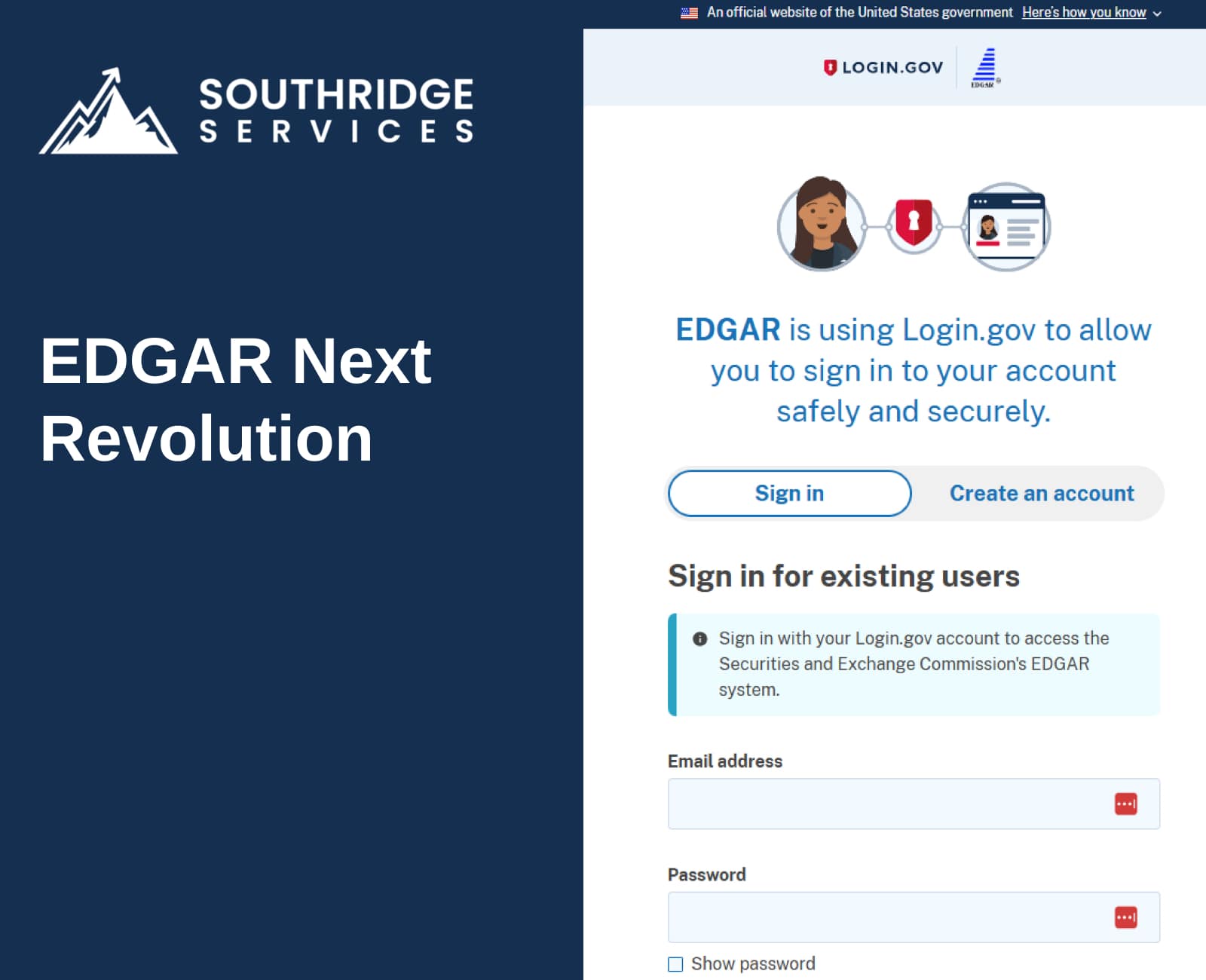
EDGAR Next marks a turning point for SEC EDGAR system security features, putting the individual filer at the heart of compliance. Gone are the days of shared passwords and anonymous submissions. With the rollout of Login.gov credentials and multifactor authentication, each user’s login becomes their digital fingerprint, unique, traceable, and non-transferable.
Under the new framework, every participant in the EDGAR filing services ecosystem, whether a public company, Section 16 officer, investment fund, or third-party agent, must use personal Login.gov credentials. This shift ends the era of legacy EDGAR codes passed from desk to desk, a practice that left sensitive filings vulnerable to unauthorized access and audit gaps. As of September 15, 2025, these legacy codes will be deactivated, making individualized credentials mandatory for all filers.
Security features now include robust multifactor authentication, ensuring that only authorized users can access filing accounts. Each submission is logged and directly linked to the individual who made it, providing a clear audit trail and eliminating the risk of anonymous filings. This enhanced traceability not only protects confidential information but also builds trust in the authenticity of reported data.
Account Administrators play a critical role, overseeing access, confirming authorized users annually, and managing credentials for both human and machine users, especially as EDGAR Next introduces APIs for secure, automated iXBRL filing services and account management.
‘Modern compliance means modern security. EDGAR Next closes loopholes that kept us up at night.’ – Daniel Nussen
By requiring unique logins and multifactor authentication via Login.gov, EDGAR Next transforms the filing process into a transparent, accountable system, where every action is tied to a real person, and every login is as personal as a fingerprint.
Need Reliable EDGAR Filing Support?
Our responsive specialists manage SEC filings, newswire distribution, and print services for clients nationwide.
EDGAR Next Account Management
The SEC’s EDGAR Next amendments bring a new era of accountability to Account Management for all filers. At the heart of this overhaul are Account Administrators, now a legal and operational necessity for SEC compliance. Every organization must designate at least one Account Administrator, with public companies strongly encouraged to appoint both an internal and an external admin. These admins are responsible for:
- Maintaining accurate user lists and updating contact details
- Securing all access codes and credentials, including those for EDGAR APIs
- Completing the mandatory annual confirmation of authorized users and account details
Annual confirmation is now a core compliance requirement. If an organization misses this critical step, the consequences are immediate: account deactivation and loss of filing privileges. To regain access, filers must resubmit a Form ID, a process that can delay time-sensitive SEC filings. As Jason Rocha notes,
‘Having a strong admin team is more crucial than ever. One missed confirmation and the whole system can grind to a halt.’
With the legacy EDGAR system decommissioned after December 22, 2025, and the last enrollment date set for December 19, 2025, timely compliance is non-negotiable. Admins are also tasked with managing new API credentials, ensuring secure machine-to-machine filings under EDGAR Next.
What You Need to Do to Transition to EDGAR Next
To ensure uninterrupted access to the EDGAR system, filers must complete a set of transition steps before EDGAR Next becomes fully mandatory. Below is a practical list of what every organization should do:
- Appoint at Least One Account Administrator: Identify an internal stakeholder or external partner (such as your EDGAR filing agent) to serve as the designated admin.
- Enroll in EDGAR Next: Access the EDGAR Next enrollment dashboard and register using individual Login.gov credentials.
- Set Up and Manage User Accounts: Link users, assign roles, and ensure all contact details and authorizations are correctly recorded under the admin panel.
- Prepare for Annual Confirmation: Develop internal review processes to verify all user information and file confirmations each year to avoid lockouts.
- Submit Updated Form ID (if needed): If your organization is not yet fully migrated or has experienced account issues, submit a revised Form ID with updated contact and credential data.
- Test the New Platform: Use the SEC’s Public Beta environment to familiarize your team with the new interface, workflows, and login processes.
To support this transition, the SEC offers extensive instructions to do this on your own. Proactive review and annual confirmation of all account details are essential to avoid lockouts and ensure uninterrupted SEC filing capability under the new SEC Amendments and Form ID changes.
EDGAR Next Timeline and Key Deadlines
The SEC’s EDGAR Next overhaul marks a decisive shift in electronic filing, with a well-structured migration timeline that leaves little room for delay. Filers must adapt to new compliance requirements, including individual login credentials, multifactor authentication, and updated Form ID processes. The transition is governed by a series of critical dates, each carrying operational and compliance consequences.
The following table shows EDGAR Next milestones, designed to clarify filing deadlines and help organizations prepare for each phase of the SEC amendments:
| Date | Milestone | What to Prepare |
|---|---|---|
| Late 2024 | Public Beta Available | Test new system, provide feedback, review SEC resources |
| March 24, 2025 | EDGAR Next Launch | Enroll via new dashboard, designate Account Administrators, update credentials |
| September 15, 2025 | Compliance Deadline | All filers must use EDGAR Next; legacy codes invalidated |
| December 19, 2025 | Last Day to Enroll | Final opportunity for existing filers to enroll without interruption |
| December 22, 2025 | Legacy System Decommissioned | Latecomers must submit an amended Form ID to regain access |
To ensure seamless transition, organizations should maintain updated code inventories, identify Account Administrators, and coordinate with third-party filing agents. Early engagement with the public beta and SEC guidance is strongly recommended to avoid compliance pitfalls.
API Integration and iXBRL Automation
The EDGAR Next overhaul introduces optional API Integration, set to launch March 24, 2025, transforming how high-volume filers, EDGAR filing agents, and iXBRL filing services interact with the SEC. These APIs enable machine-to-machine submissions and automated account management, eliminating the need for late-night manual uploads and reducing human error. For organizations managing frequent filings, API Integration is recommended to streamline processes and boost operational efficiency.
A key shift is the direct tie between iXBRL filing services and the new credential system. All API access requires credentials managed by designated Account Administrators, ensuring secure, auditable automation. This change means legacy Excel add-ins and older filing tools may break unless updated for compatibility with EDGAR Next’s APIs.
The Public Beta, opened in late 2024, has proven invaluable for early adopters. Many agents and smaller filers encountered an unexpected learning curve, especially around new account management workflows and third-party tool integration. Early testers reported smoother enrollment and fewer transition issues after hands-on experience with the beta environment.
- API Integration is optional but highly recommended for automation and efficiency.
- iXBRL filings are fully compatible with the new system and APIs, testing now is critical.
- Public Beta feedback highlights the importance of early access to identify compatibility issues, especially for third-party tools and smaller filers.
With the EDGAR Next transition deadlines approaching, leveraging the Public Beta and updating all filing tools for API compatibility are essential steps for a seamless move to the new platform.
How to Prepare for EDGAR Next
The SEC’s EDGAR Next overhaul is more than a routine update; it is a fundamental shift in how organizations approach SEC filing compliance, security, and process management. With the December 22, 2025 decommission date for the legacy EDGAR system, the window for a smooth transition is closing fast. The cost of ignoring EDGAR Next’s new compliance requirements is steep: failing to enroll, update Form ID, or designate Account Administrators can result in immediate suspension of filing privileges, emergency filings, and even missed critical deadlines.
Consider the real-world implications, a Fortune 500 company missing its IPO window because an administrator failed to update credentials is not far-fetched. Annual confirmations are now mandatory, and any lapse can trigger re-enrollment via Form ID, adding unnecessary risk and administrative burden. Third-party coordination with EDGAR filing services and financial printers is no longer optional; successful transition to EDGAR Next is a team effort requiring clear communication and shared responsibility.
In summary, EDGAR Next’s SEC amendments are reshaping the landscape for all filers. Early, organized action is the only way to ensure uninterrupted compliance and avoid costly disruptions. The real cost of inaction is not just regulatory, it’s reputational and operational, with consequences that can reverberate across the entire organization.